
Video isn’t just a distribution channel, in the world of digital sports: it’s part of how a sport is experienced, followed, and remembered. For federations and leagues, owning a dedicated video service is less about technology hype and more about control, continuity, and connection with fans.
Here’s why an independent video service makes a real difference. (And if a point seems obvious? The strength of this list isn’t novelty, but perspective.)
1. Making content easier to find
When a federation owns its video platform, fans know exactly where to go. Matches, highlights, and replays live in one place, season after season.
In practice, this means fewer “Where can I watch this?” questions on social media and fewer broken or outdated links. Your content doesn’t disappear when a deal ends or a platform changes its rules. It stays where your fans expect it to be.
2. Increased video content production
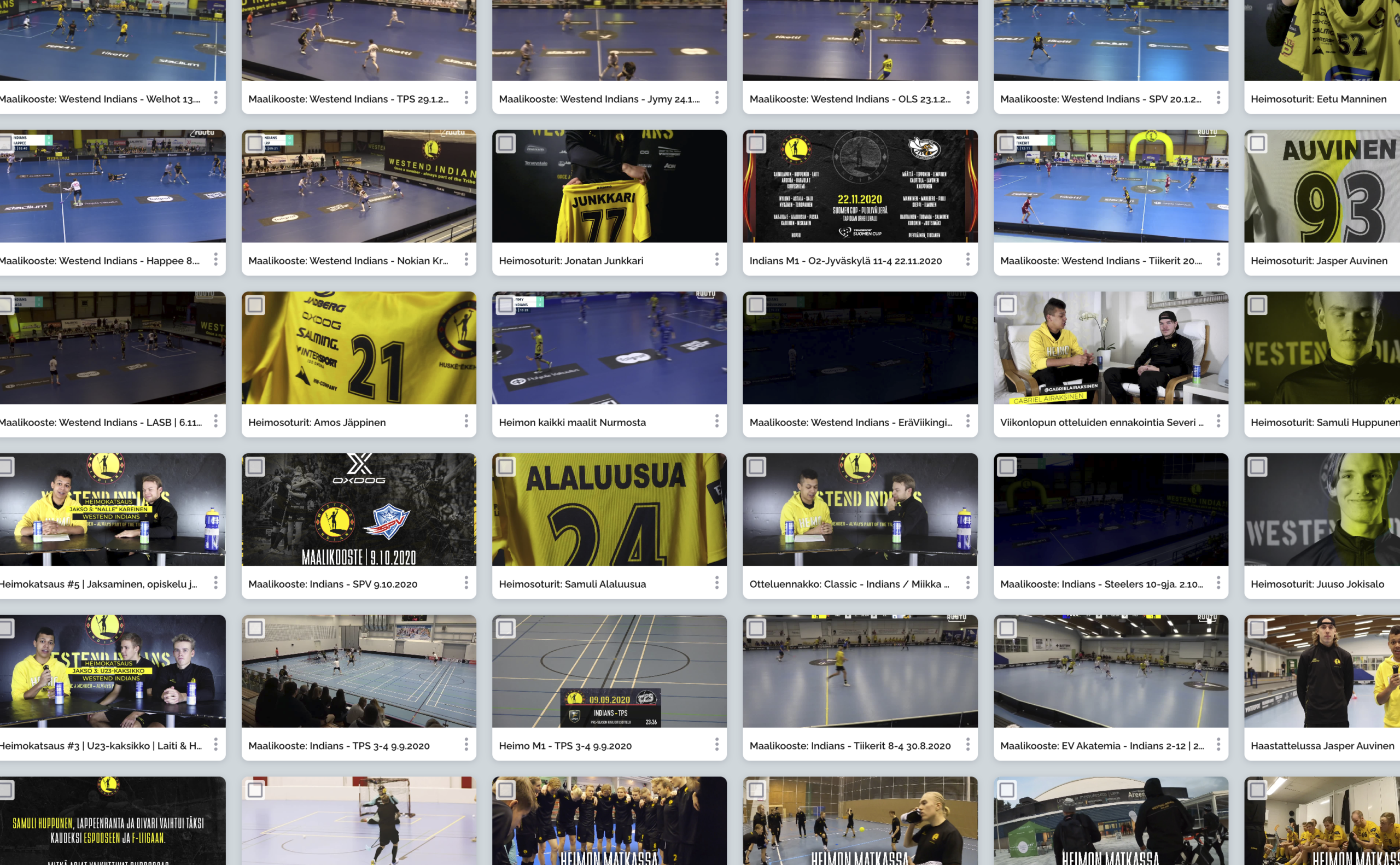
When publishing video is straightforward, more content gets made, simple as that. Matches get streamed more consistently, interviews actually get published, and highlights don’t stay stuck on someone’s phone. This is especially important for federations and leagues that rely on clubs, volunteers, or small media teams to produce content alongside their day jobs.
3. Stronger brand value
Brand value isn’t built on flashy features, but on consistency. Fans notice when every match, replay, and archive lives in the same environment, with the same look and logic. A dedicated video service helps a sport feel organized, reliable, and professional, regardless of whether the match is a national final or a junior league game.
4. Money though content rights
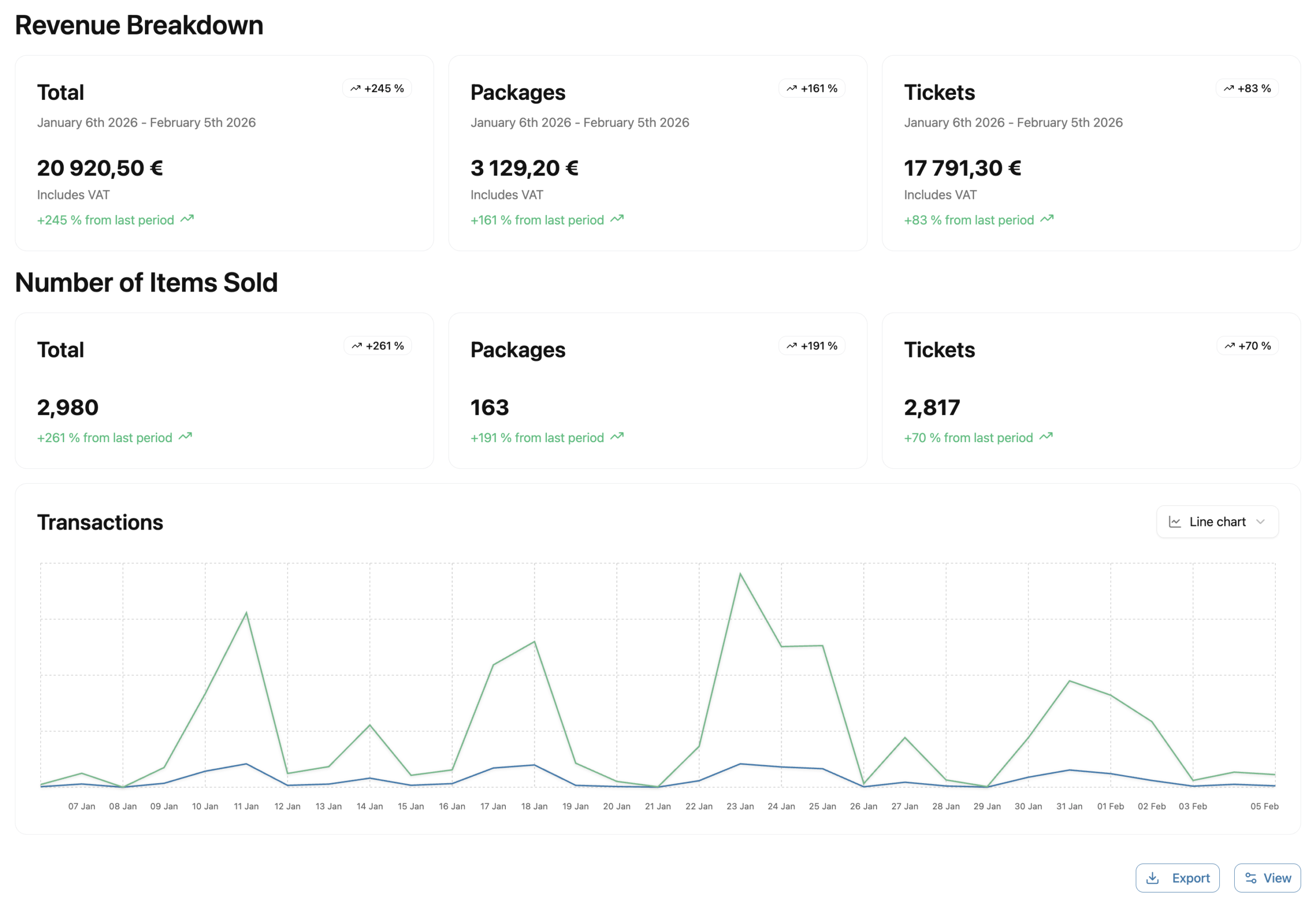
Own the platform and you own the monetization strategy. For some organizations, this means season passes or subscriptions. For others, it’s a single high-interest match that fans are happy to pay a small sum to watch. The key point is flexibility: the same model doesn’t have to work for everyone, and it can evolve over time.
5. Advertisement revenue opportunities
The real value of advertising is control. With an owned video service, federations and leagues decide where ads appear, during which matches, and for which audiences. Advertising doesn’t have to be tied only to major broadcasts; it can also support smaller competitions that would otherwise have no commercial visibility.
6. Increased visibility for sponsors and partners
Sponsors increasingly want more than a logo on a banner once a year. A dedicated video service allows partners to gain visibility across an entire season with live streams, replays, highlights, and even archived matches. Importantly, that exposure doesn’t vanish when the final whistle blows, it continues wherever the content is watched later.
7. Building a subscriber & customer database
Owning a video service means owning the relationship with the people who care about the sport, not just counting views.
Instead of anonymous numbers reported by third-party platforms, federations and leagues can understand who their audience actually is: loyal season-ticket fans, families following youth competitions, casual viewers who show up for finals. More importantly, they can stay in touch with them directly.
This enables:
- Direct communication without depending on social media algorithms
- More relevant messaging instead of one-size-fits-all promotion
- Long-term relationships that grow season after season
Over time, this turns viewers into a community of known supporters, not just a stream.
8. Leveraging data and analytics
Data becomes truly valuable when it helps make practical decisions.
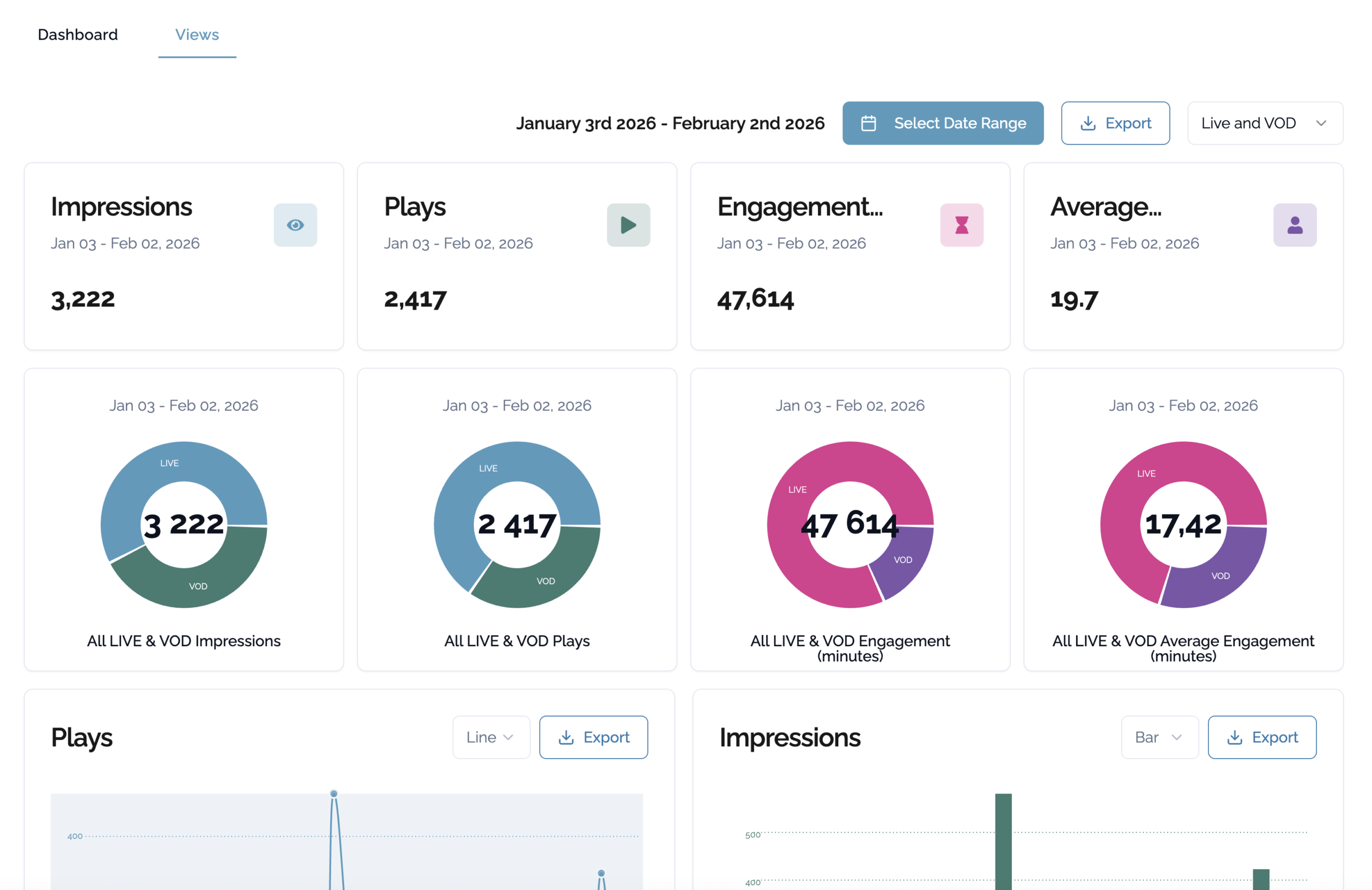
A federation-owned video service shows how content actually performs: which matches are watched live, which are mostly replayed, how long viewers stay, and where interest fades. These insights help answer practical questions that every sports organization faces.
For example:
- Which competitions justify live production?
- Where should limited budgets and staff time be invested?
- Which formats work, and which quietly don’t?
This data can then be turned into clearer priorities, smarter use of resources, and decisions based on real viewing behavior, not assumptions.
9. Enhanced marketing, communication & training
A video platform isn’t fans-only.
The same service can support communication with clubs, referees, coaches, and officials –hosting training material, briefings, and internal content without mixing audiences. Externally, matches and highlights can be easily embedded across websites, social media, and campaigns.
10. Preserving sports history & culture
Many federations only realize the value of their video archives when old footage is suddenly needed and can’t be found.
A centralized, long-term archive ensures that classic matches, key moments, and entire seasons remain accessible. It’s not just about nostalgia, it’s about protecting the history and identity of the sport for future players and fans. Better to have and not need than the opposite, after all.
Owning a video service is about long-term control: knowing where content lives, how it’s used, and who it reaches.
For federations and leagues, an independent video platform provides stability across seasons, supports multiple revenue models, and strengthens the direct connection with fans and partners. It’s a foundation that allows the sport to grow on its own terms, without being dependent on constantly changing external platforms.
Many sports organizations already operate their video services this way, using platforms such as Icareus – where the focus is on ownership, continuity, and supporting federations and leagues of all sizes.
Want to take a look at our sports solution?